
Why proper hydration is healthy
10/30/2025 by Melissa Gess
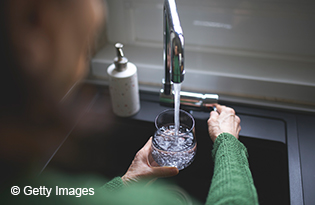
Staying hydrated is as important as eating fruits, vegetables and protein daily. Water is essential to keep each bodily system running adequately since it makes up 60% of the body.
Hydrating is essential because it:
- Prevents constipation and supports digestion.
- Maintains blood pressure and electrolyte balance.
- Normalizes body temperature.
- Supports organs and tissues.
Some baseline recommendations for fluids are about 3.7 liters (15.5 cups) for men and 2.7 liters (11.5 cups) for women, or 1 ounce of fluid per pound of body weight. Of those fluid recommendations, 9 cups of water for women and 13 cups for men is ideal. Recommendations may vary based on a person's activity level, environment, health status, medication use, age and whether they are pregnant or breastfeeding.
Drinking fluids/beverages keeps you hydrated, but what beverages are low in calories and sugar? The best option, first and foremost, is water. The majority of fluid consumed in the day should ideally be from water. However, other more tasty options include milk, tea, electrolyte drinks and coffee.
It is important to avoid alcohol and sugar-sweetened beverages such as soda, sports drinks, energy drinks and juice. These are more likely to cause weight gain and inflammation. Some foods can have water content, such as cucumbers, iceberg lettuce, celery, radishes, bell peppers and watermelon.
Signs of dehydration
- Dark-colored urine.
- Less frequent urination.
- Feeling faint.
- Muscle cramps in arms or legs.
- Dry mouth.
A good sign that you drink enough fluids is when you do not feel thirsty often, and your urine is light-yellow or clear. A way to ensure you reach your fluid goals is having a beverage at each meal or snack, with any medicine or socially.
To ensure you take in enough fluid, your goal should be 8 to 10 ounces (about a cup) of liquid each hour you are awake. Drink more when you exercise, when the weather is hot or if you are ill.
Here are some recipes from Mayo Clinic to help you stay hydrated:
- Minty-lime iced tea - Mayo Clinic.
- Watermelon-cranberry agua fresca - Mayo Clinic.
- Hurricane punch - Mayo Clinic.
Melissa Gess was a dietetic intern at Mayo Clinic in Rochester. She received her Bachelor of Science in Dietetics and Master of Science in Nutrition and Dietetics from the University of Wisconsin-Stout. She is exploring the areas of clinical nutrition, but is interested in pediatrics, WIC and diabetes education.